
Assistant Curator | Lapworth Museum of Geology | Aug 2023 – Present
I have recently been appointed to the Museum in a full time capacity. Responsibilities include: rationalising the collections and storerooms, repackaging and cataloguing specimens, updating the collections management system, providing access to the collections for international researchers, Integrated Pest Management and environmental monitoring, events organisation and delivery, production of content and management of social media across several platforms, and volunteer and student project supervision.
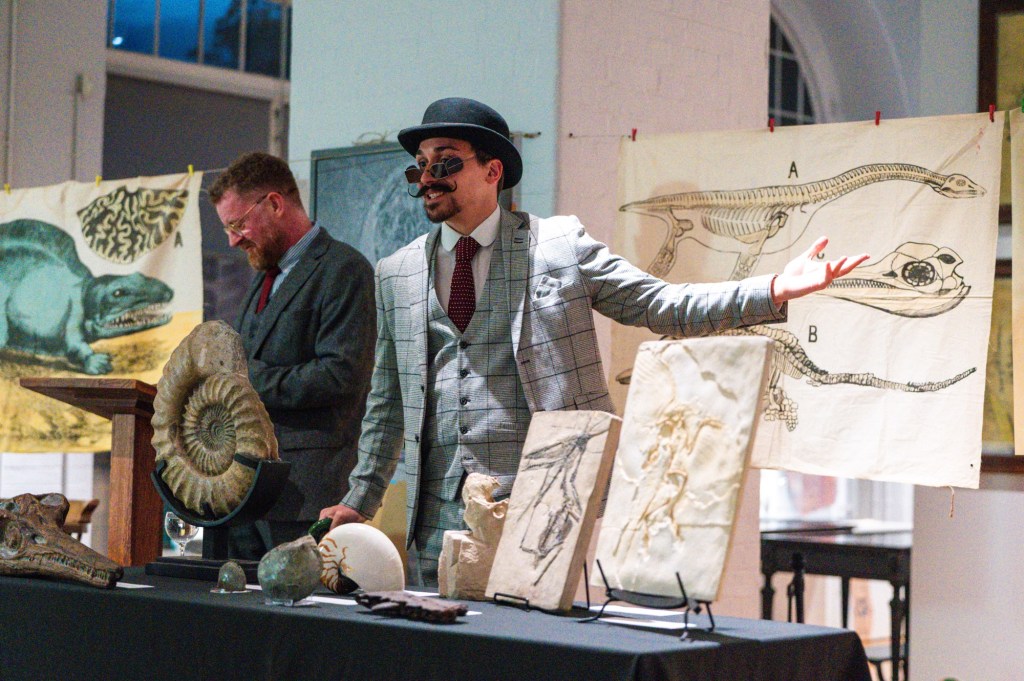
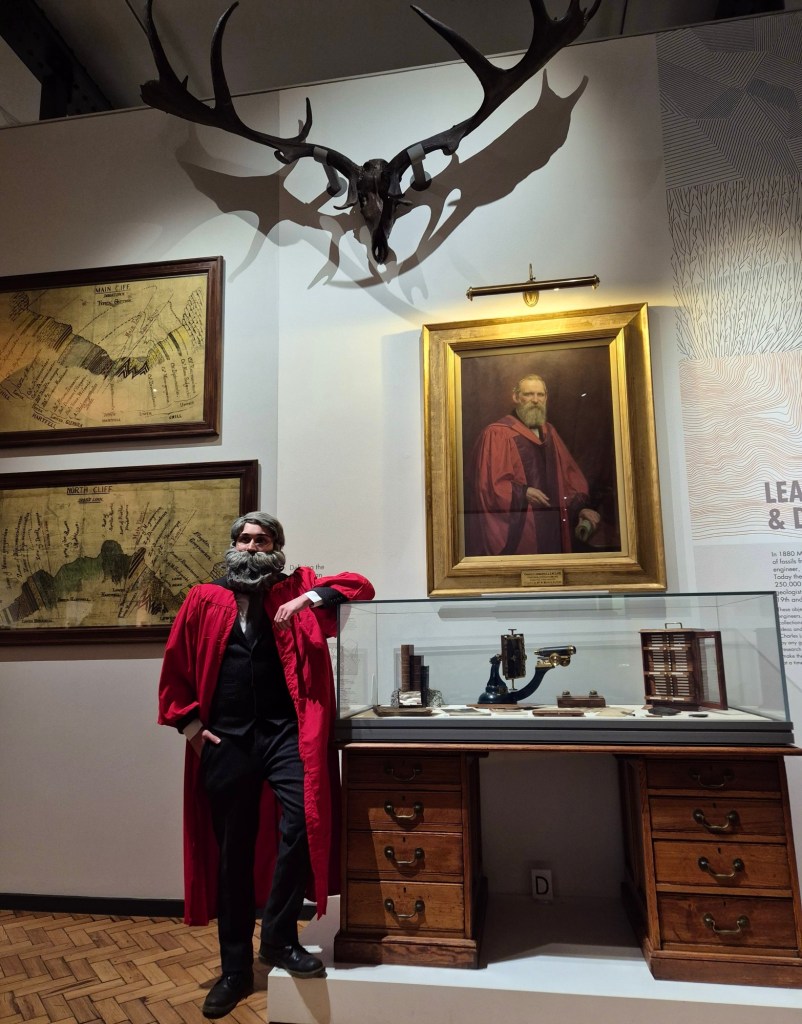
Image by Angela George.
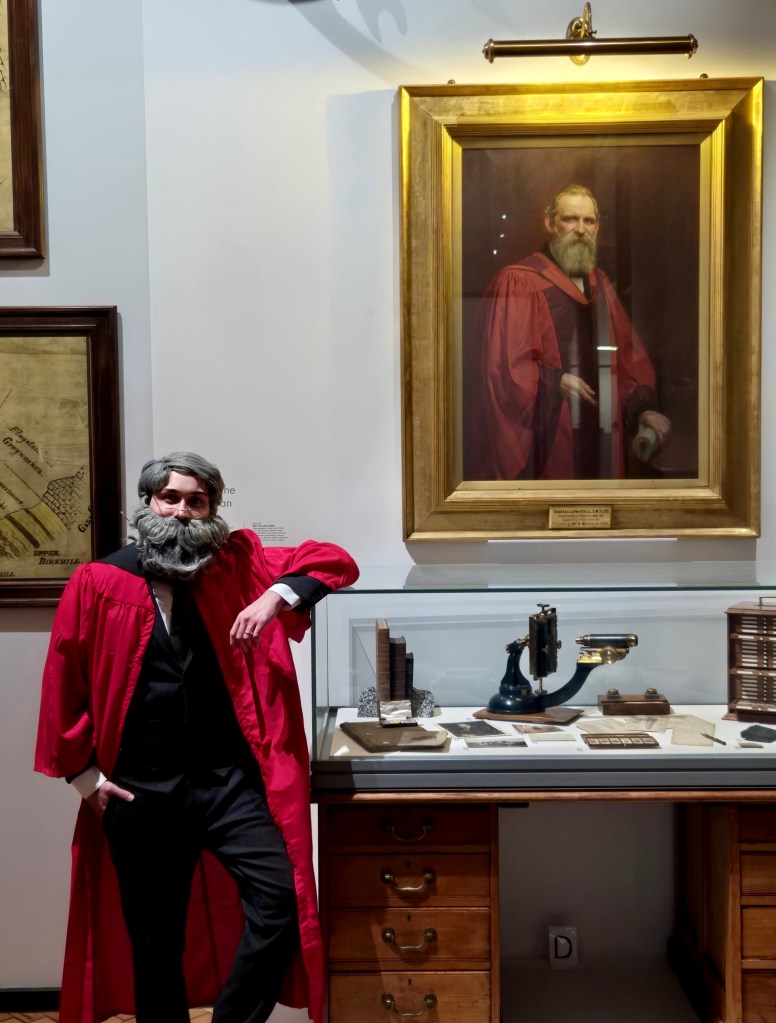
Image by Angela George.
Preparation and Conservation | Aug 2025
Between 26 – 29 August 2025, I worked under expert fossil preparator and conservator Nigel Larkin. At his facility, I gained knowledge in fossil consolidation using various binding agents, matrix removal with both air pens and sodium bicarbonate powder, and dejacketing of specimens from the field.
Senior Research Technician | University of Birmingham | Jan 2023 – Jul 2023
Five months after my graduation ceremony, I was approached by two of my mentors, Richard Butler and Kirsty Edgar, to undertake a seven-month NERC contract with the university as a Senior Research Technician. During this time, I helped to design a metric to assess the scientific value of fossils, using ichthyosaurs from the Lower Jurassic of Southern England as a case study. To do this, we decided to assess each specimen in terms of metadata completeness, skeletal completeness, skeletal articulation, and phylogenetic character completeness. This work built upon a previous thesis undertaken by Francesca Franklin and endeavoured to capture a large dataset (over 460 specimens) across public and private collections.
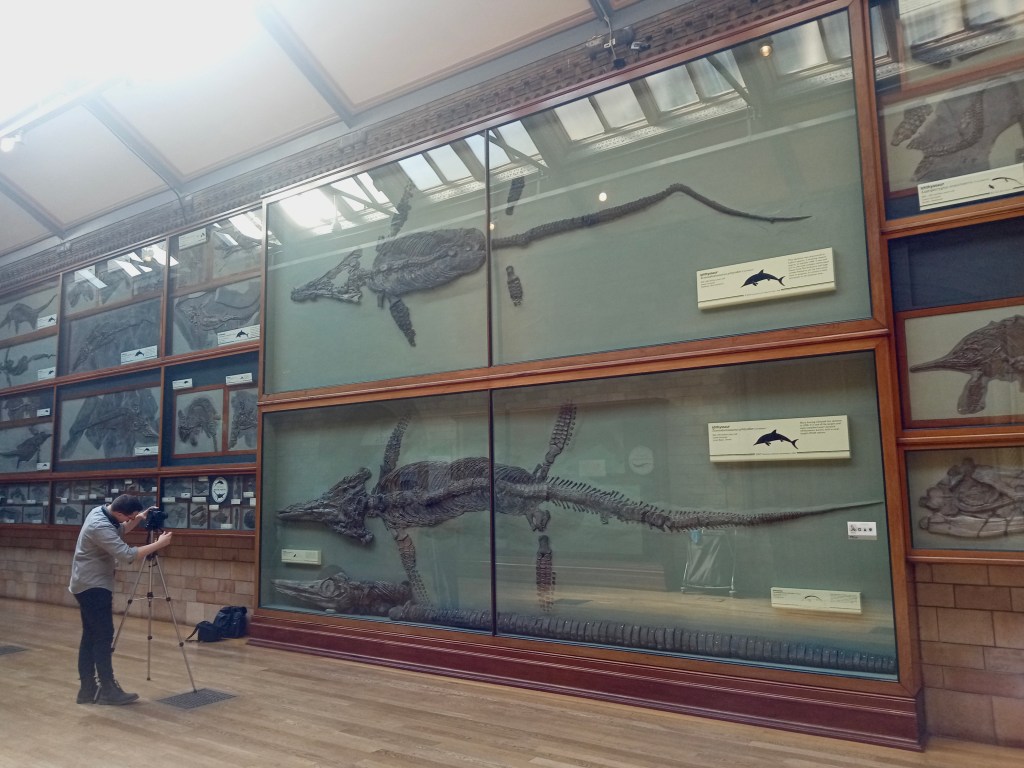
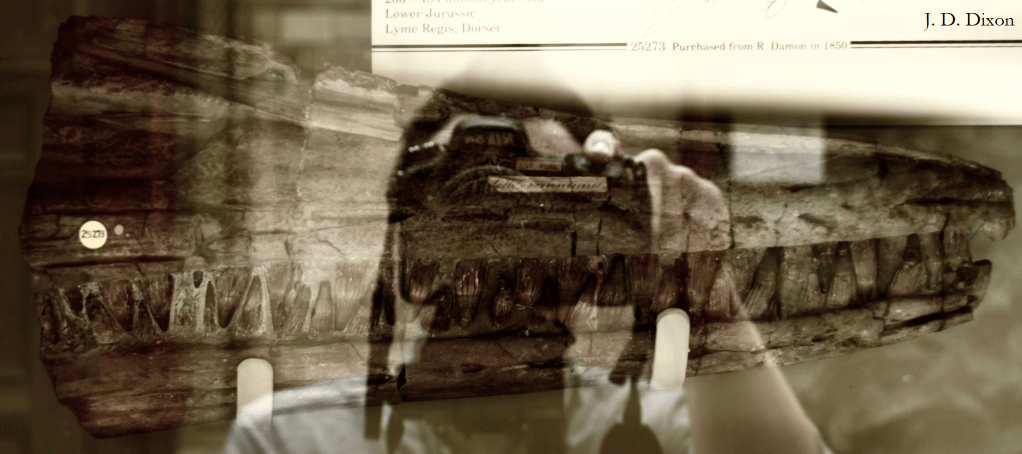
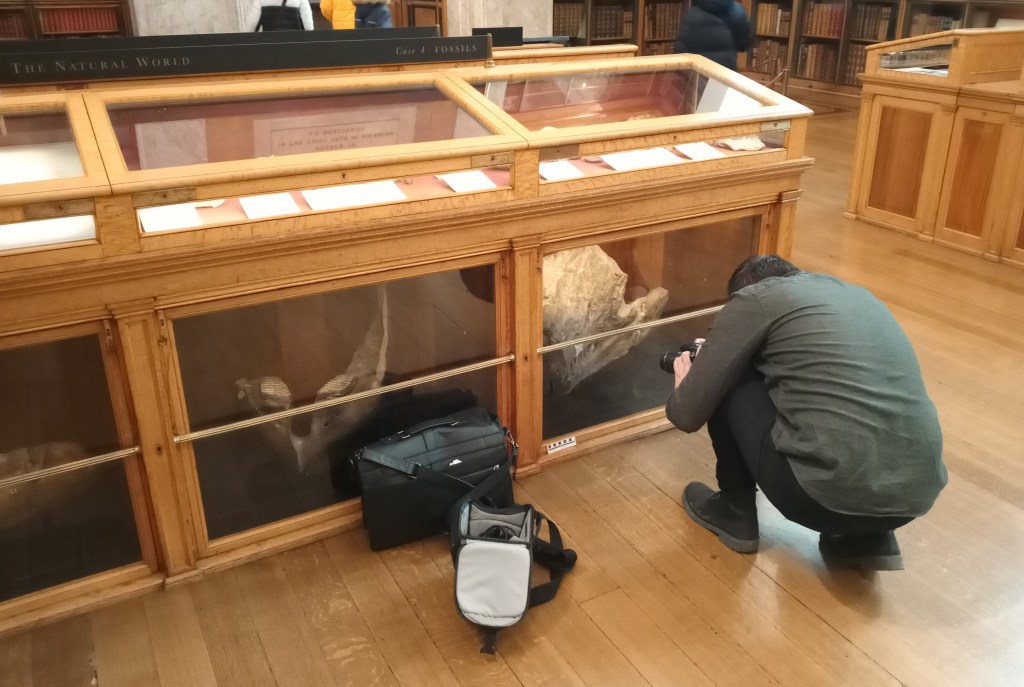

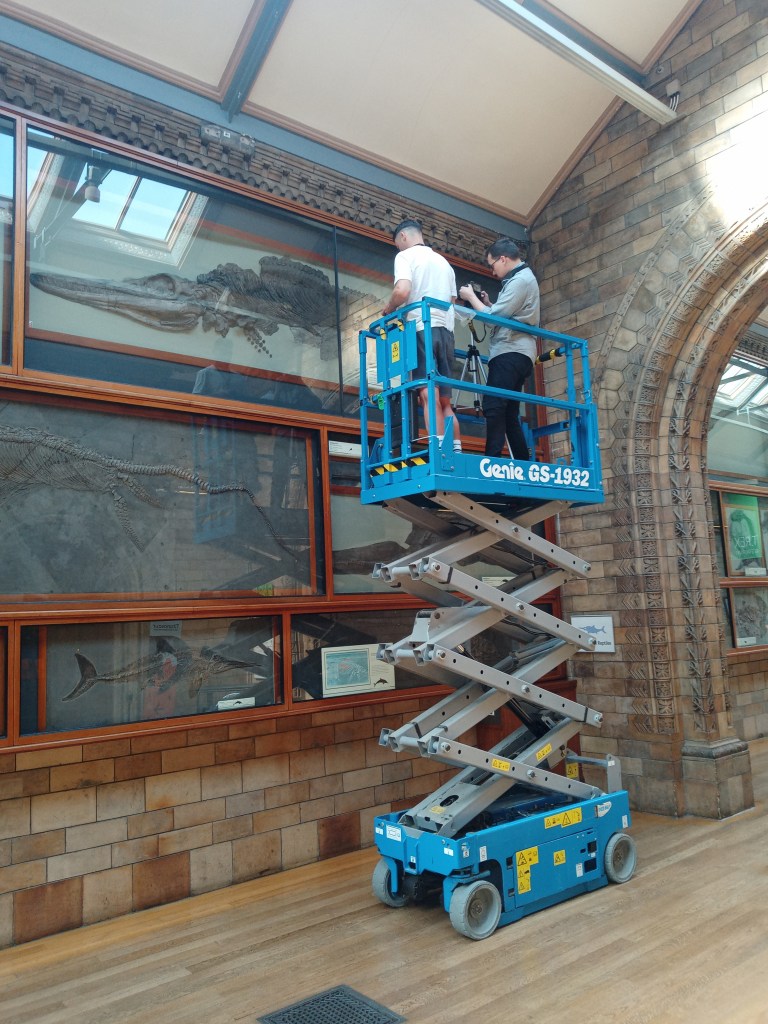
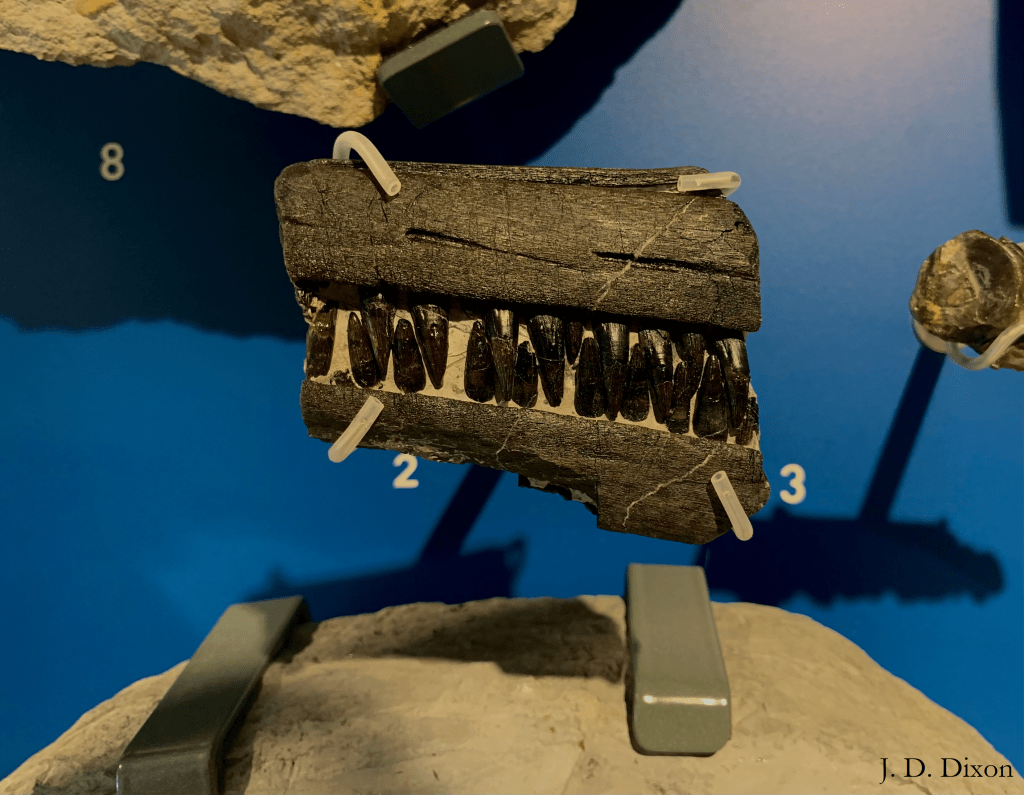
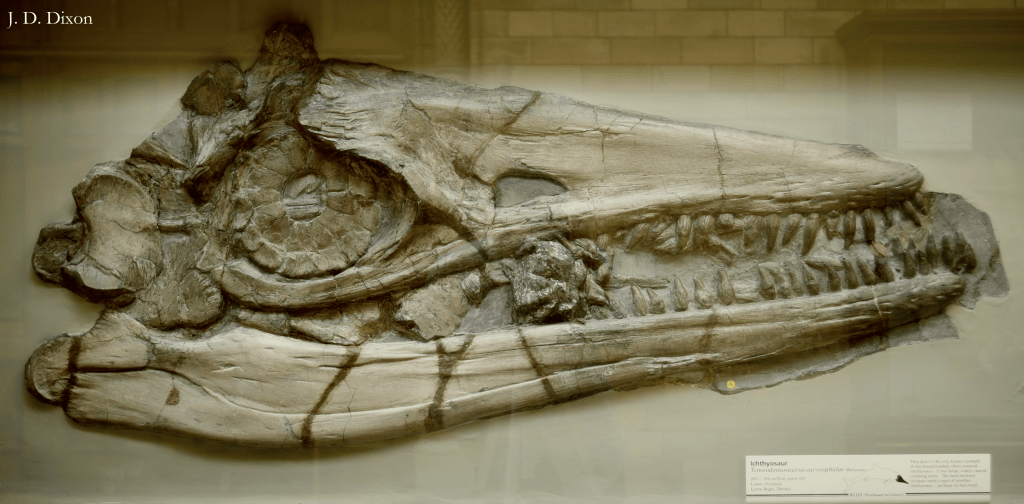
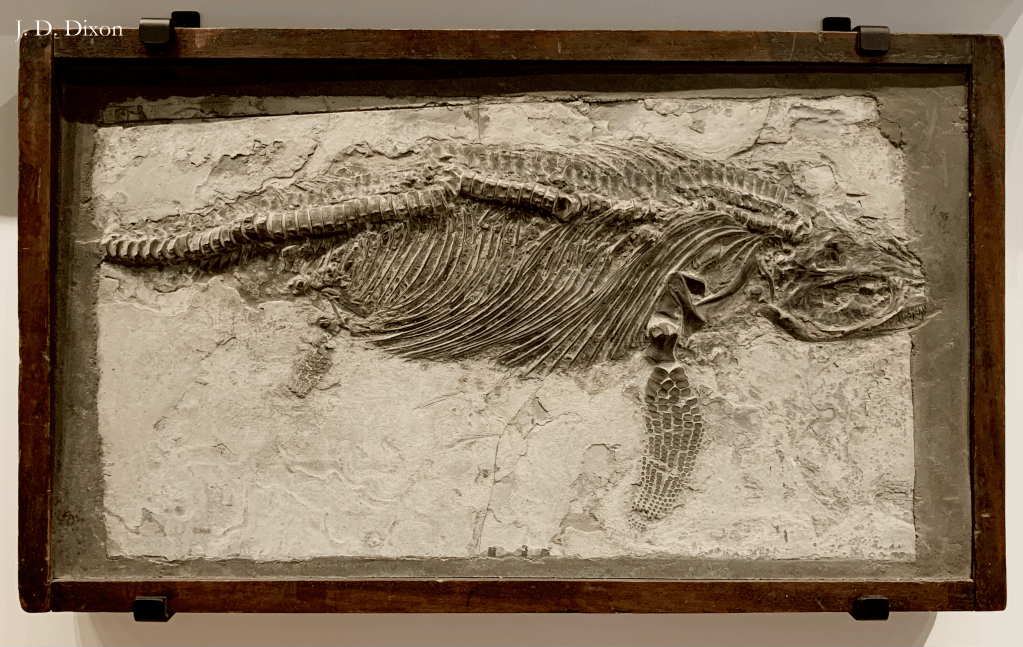
I travelled to London for four weeks, where with the expertise of Marc Jones and Mike Day, I recorded >300 ichthyosaur specimens held at the Natural History Museum and the British Museum. For a further two weeks, I visited Dorset to assess 83 ichthyosaur specimens held across Bridport Museum, Dorset Museum, Sidmouth Museum, and Lyme Regis Museum, with the help of Tegwyn Jones, Emma Luckraft, Jenny Cripps, Paul Tomlinson, Elizabeth Selby, Colin Boynton, and Paul Davis. Across museums, displayed specimens couldn’t be removed from their cabinets (except at Sidmouth Museum), and in the NHM galleries, Paul Kavanagh provided a lift to access the specimens high on the wall. These specimens were then verified and their information developed using the collections management systems or knowledge of the curators at each institution.
While in Dorset, I also met with Phil Davidson of Charmouth Heritage Coast Centre and Chris Reedman of the Jurassic Coast Trust, who arranged for me to interview several private collectors, where I assessed a further 81 ichthyosaurus.
Through this project, I have expanded my network significantly and met an eclectic range of colleagues and friends. My thanks to them all.
This project will feature in an upcoming publication.
Scholarship Intern | Lapworth Museum of Geology | Aug 2021 – Sep 2021
After successfully procuring a highly competitive scholarship, I was able to work intimately with the Lapworth Museum of Geology for four weeks. It was an honour to be selected as the placement allowed me to gain vital behind the scenes and front of house experience with a geological and palaeontological collection. During the programme, I became part of their dynamic Museum Team, who supervised and provided guidance where appropriate.
The scholarship has taught me so much more about museum work. It surpassed my every expectation and has further fueled my desire to continue in this sector. A massive thank you to the entire team for their kindness and support while working at the museum.
Object Accessioning
Our main task was to identify, logically order, and catalogue >1000 objects, a vast majority of which were Carboniferous plants. We were acquainted with professional manual handling techniques when manoeuvring heavy boxes, and then transported these from the museum stores to a private lab. Here we arranged any labelled specimens into basic categories (clubmosses; horsetails; ferns; seeded ferns; miscellaneous, which included seeds, spores, wood, arthropods, and other Carboniferous material; and Non-Carboniferous).
Once completed, we went through the unlabelled objects and used morphological criteria to assign them to our categories, with the help of literature. Additional categories (unidentified ferns/seeded ferns and unidentifiable plant matter) were created for material which could not be readily identified.
Following this, we arranged the objects within each category by the localities from which they were collected, then by their genera (if this information was available). If only one set of information was available (e.g. genera but not locality) then they were sorted by this. If neither piece of information was available, objects were categorised as such. We packaged individual objects using museum-grade trays or tissue padding to prevent unwanted movement and damage. We then gave each completed box a unique numeric code (72 boxes in total) and detailed each box number with its contents. Finally, we uploaded all information to the digital database so the object information was made more accessible. We attached small, individual collection numbers to each specimen (fragmentary specimens were given alphanumeric values) and entered all known information into the database. In many instances we needed to decipher older labels and handwriting to uncover the secrets of each item, some of which were collected over 100 years ago.
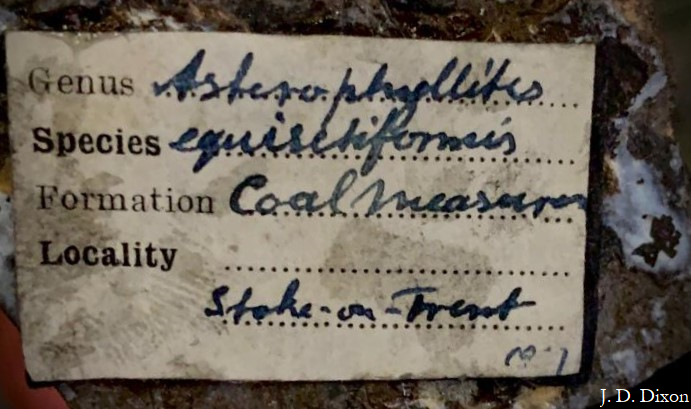
Finally we weighed each of the 72 boxes and gave them coloured stickers to convey how heavy they were. On our final day we did more of this with preorganised boxes in the museum store.
Social Media
Throughout the month we chose objects to share via social media in the upcoming weeks. This involved delving into the museum stores to examine objects and pick those which we thought would be effective for engagement. They needed to be aesthetically attractive and have associated information, so we could tell a visual and educational story. We developed our photography skills using both mobile phones and professional camera equipment to produce a range of stunning images that would captivate online readers and encourage them to visit the museum.
My first post can be seen here:
My second post can be seen here:
Outreach Crafts
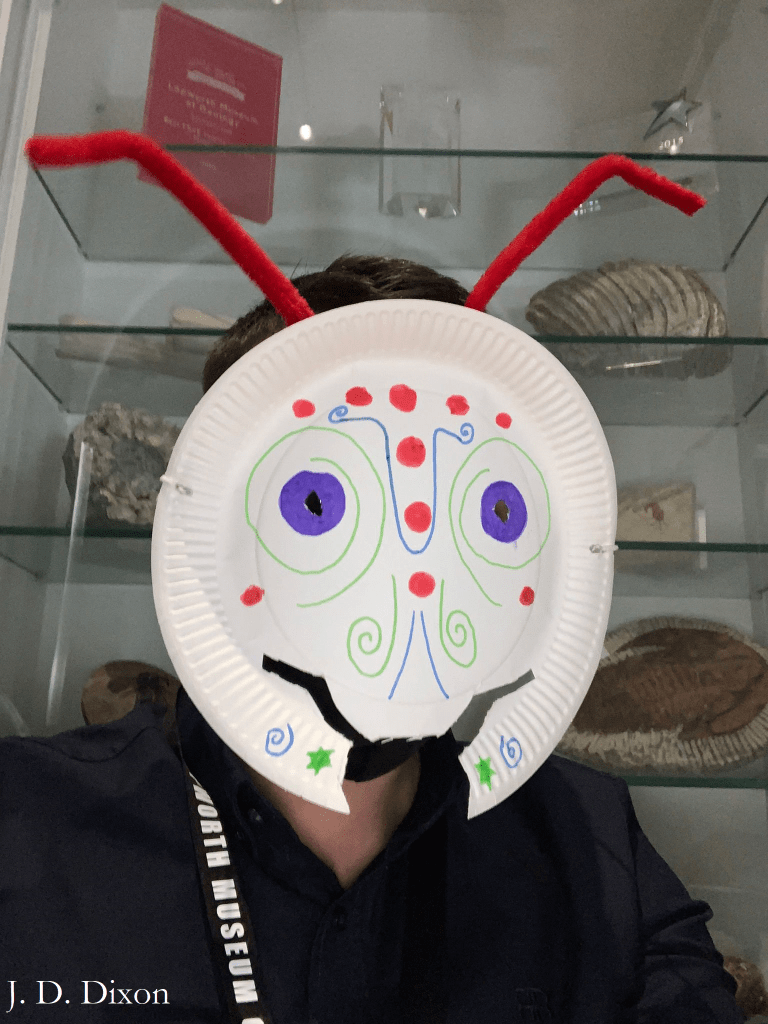
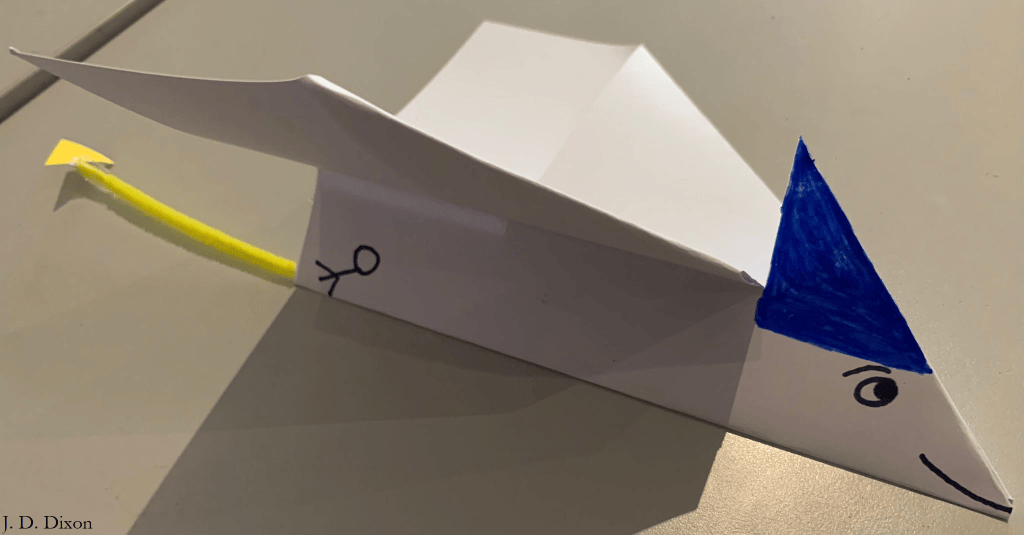
We developed a range of exciting craft ideas to improve family engagement with the museum. The crafts I designed included an insect mask and a paper pterosaur glider, agreeing with the natural science theme of the Lapworth galleries. Each was accompanied by clear yet concise instructions and images so that the process was easy to follow for all ages.
Lapworth Family Quiz
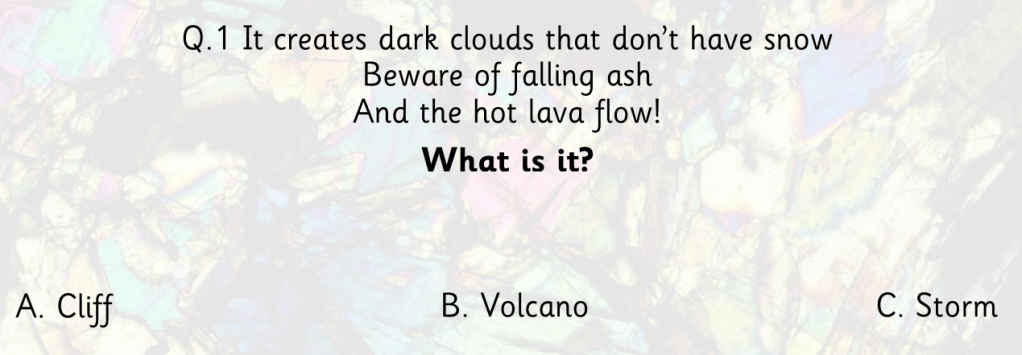
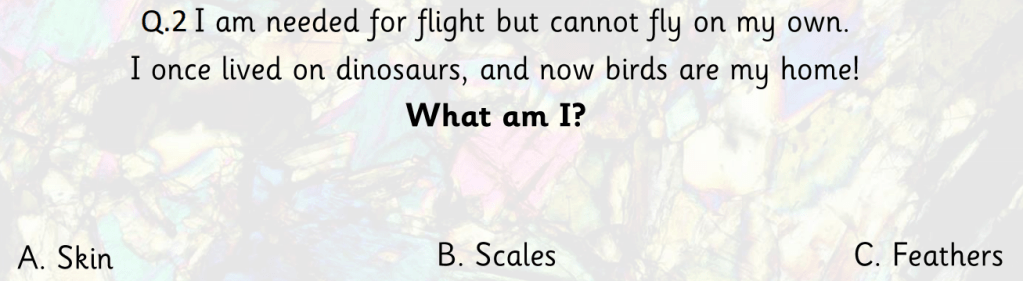
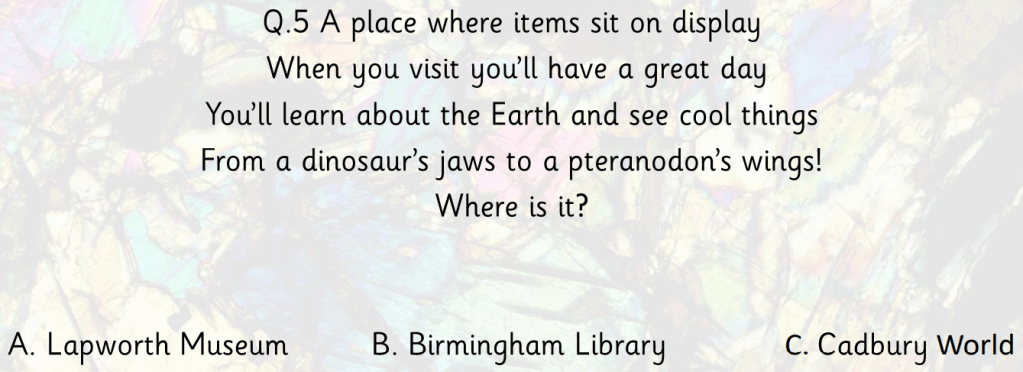
I helped design and present a round of questions for the Lapworth Family Quiz, hosted over Zoom. The quiz had wonderful engagement from everyone that attended and it was great to see that people enjoyed what we delivered. The round I organised was Georiddles, five geologically themed brainteasers with multiple choice answers.


Insect Safari
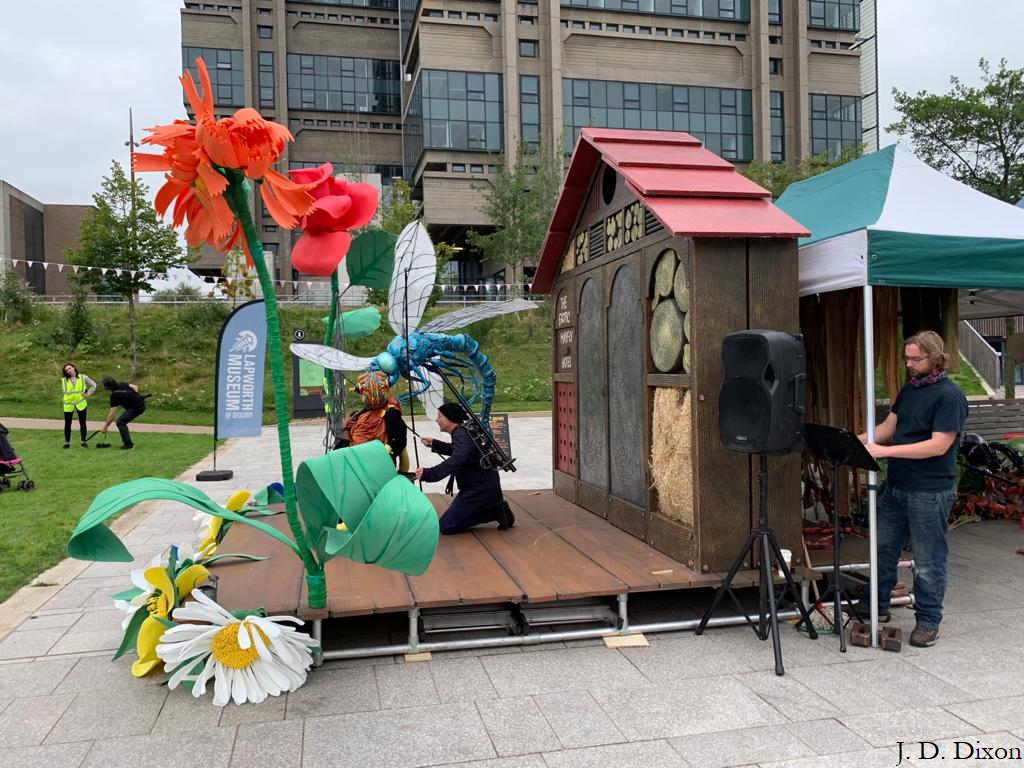
The Insect Safari was an outdoor public event hosted in partnership with The Fetch Theatre Company. It was a stage show that spun a tale of a showperson spider and an enthusiastic fly as they explored global insects and unlocked a fossiliferous mystery, using impressive puppets and large models to illustrate the story. We helped monitor the event and then aided the troupe in dismantling their stage and packing away their equipment. This gave us insight into the mechanisms of a production beyond the performance itself.
Photography and Digitisation
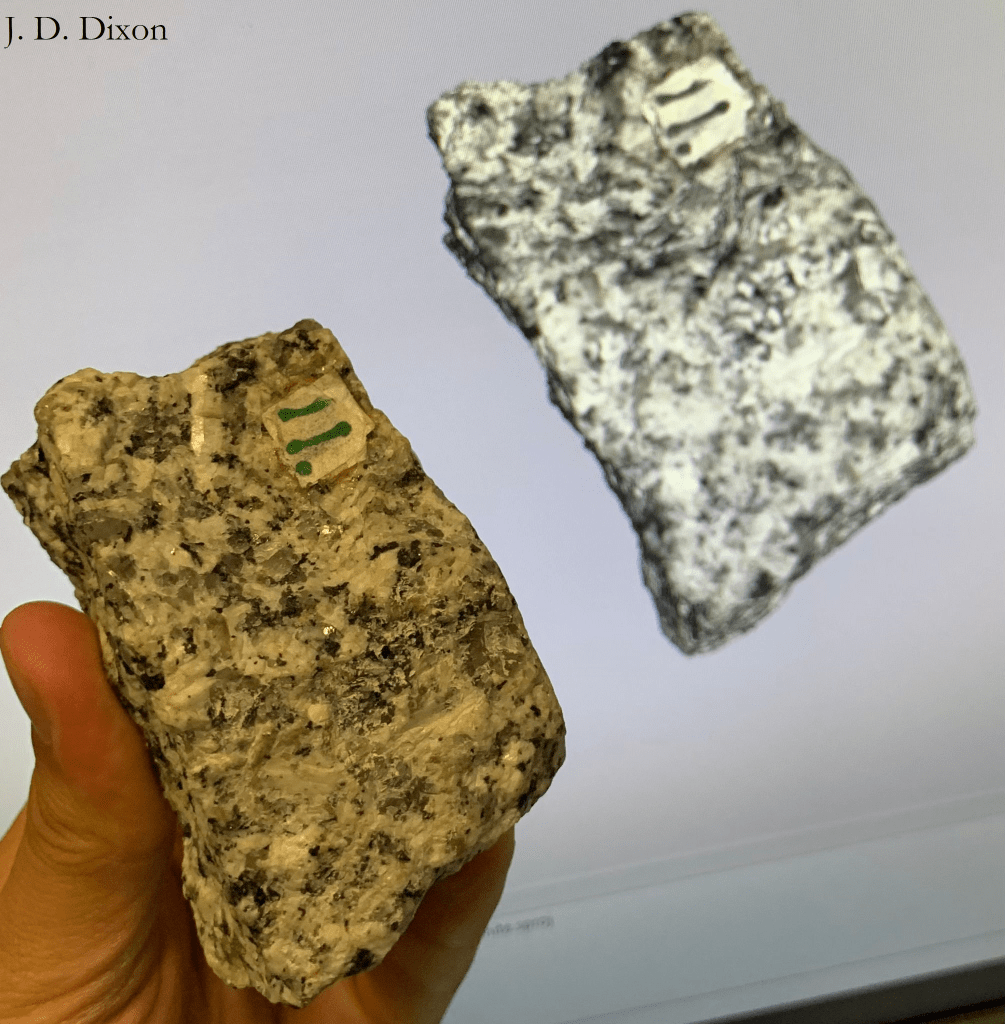
The Museum has a collection of objects in a loan box of their own, called the Rock Box, which is usually sent to schools for education. However, the weight of this box makes shipping difficult or costly, so the team wanted to digitise the contents to allow institutes further afield to use the material. Here, we used a structured light scanner and rotating stage to capture multiple images of each item from various angles, which we then digitally aligned and textured in Artec Studio to form an exact, interactive, copy of each object.

Likewise, we digitised a number of original photographs from the late 19th century. These showed Charles Lapworth and his field expeditions. It was remarkable to see history in our hands, and it enhanced my ability to handle sensitive, aged paper.
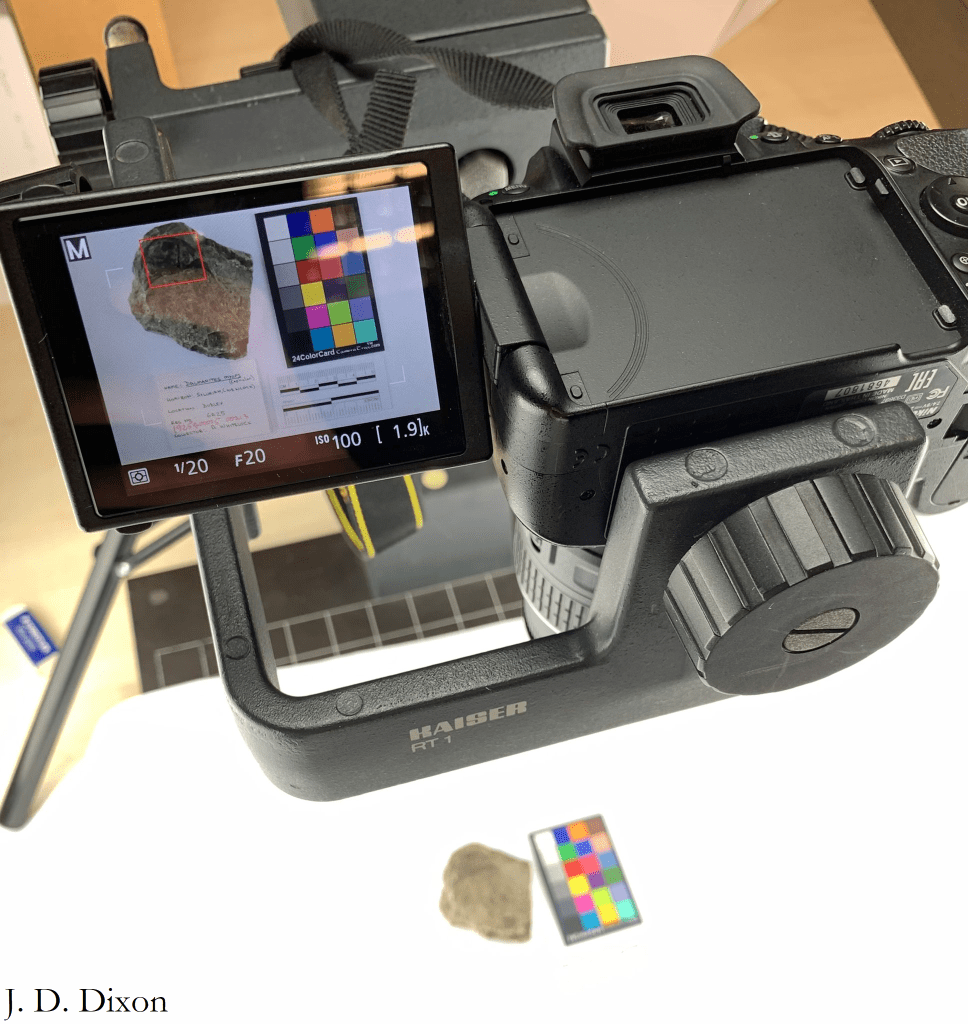
We also photographed a collection of ~124 marine invertebrates that the museum had attained on loan from the BMT. For this we set up a lighting and camera rig using a Nikon D5200 DSLR camera with an 18-55mm kit lens and image sensor of 24.1 megapixels that could be adjusted according to the size of the objects. We then positioned each object with its label, a colour chart, and a scale bar, and captured the image.
Life in the Ice Age Webinar
During the museum’s Life in the Ice Age: A Mammoth Adventure webinar, in partnership with Creswell Crags, we monitored the live Zoom chat traffic and provided succinct answers to the public while the speakers presented. This required quick thinking and research skills to give the best possible answer in the shortest time.
The session can still be viewed here:
Professional Placement | Dudley Metropolitan Borough Council | Feb 2022 – May 2022
I undertook a self-sourced placement in collaboration with the University of Birmingham. The project was designed with the borough Keeper of Geology, Graham Worton, and involved identification of fossil taxa across seven diverse phyla through morphology. Once assigned to a genus, specimens were catalogued onto the digital database and each adhered with a unique identifying code. The results of this study helped generate a comprehensive view of the diversity of the Gorstian Stage of the Lower Elton Formation at Castle Hill, Dudley.
Artist Research Team | Birmingham Museums Trust | Nov 2020 – Jul 2022
With passion for supporting local museums, I saw this project through until final completion. I researched various artists whose work is held in the BMT collection and provided a synthesised biography for the collections management system, assisting the Curatorial and Collections Teams. The data included birth date, death date, nationality, and major life events. Important skills developed through this role include computer competency; excellent attention to detail; reliability; commitment; teamwork; and an extensive knowledge of the collections’ artists.
Events Volunteer | Progressive Palaeontology 2019 | Jun 2019
As an undergraduate, I played an active role in welcoming guests and speakers, setting up posters and the final auction, as well as arranging refreshments. I attended numerous talks and spoke with fellow students about their research, developing my professional network. I wrote about the event at Darwin’s Door:
Darwin’s Door | May 2019 – Jan 2023
In the early years of my university career I was a founding member and part of a team of students dedicated to exploring the many areas of palaeontology through science communication. We aimed to bring a fresh take on scientific content in an understandable and entertaining way for our wide audience. I served as an Author, Editor, and Social Media & Webpage Manager. Through this, I have not only expanded my outreach abilities, but furthered my research and referencing skills, as well as enhanced my time management with the periodic posting of articles. I have gained proficiencies with Twitter and Instagram, and engaged with readers and guest contributors on multiple occasions to form a network of mutually respected partners.
For copies of my articles and interviews from Darwin’s Door, click the links below. Alternatively, see the original publications here.
Articles by J. D. Dixon
- Sleeping Dinosaurs: The Hypsilophodon Bed of the Isle of Wight
- Virtual Field and Museum Skills: Part 1
- Istiodactylus latidens: The Confusing Carrion-Consumer
- Crocuta crocuta spelaea: Laughing in the Face of Extinction
- Placoderms: Knights of the Aquatic Table
- The Jurassic Period
- Amargasaurus cazaui: The Spiny Sauropod
- Carnotaurus sastrei: The Short-Handed Sprinter
- The Evolution of Cetaceans: A Whale of a Time
- The Permian Period
- Ursus spelaeus: The Bear Necessities
- The Carboniferous Period
- Chalicotherium goldfussi: The Miocene Giraffe
- Styracosaurus albertensis: The Cretaceous Rhinoceros
- National Museum Cardiff: A Review
- The Lapworth Museum of Geology: A Review
- Dinosaur Fight Club
- Assynt and Skye 2019: A Palaeo Perspective
- The Ordovician Period
- The Skull of Erlikosaurus andrewsi and Understanding Therizinosaurs
- Deinonychus antirrhopus: More Than A “Six Foot Turkey”
- Progressive Palaeontology 2019: Day Two
- Progressive Palaeontology 2019: Day One
Interviews by J. D. Dixon
- Talking with… Han Hu
- Talking with… Evan Saitta
- Talking with… Steven Zhang
- Talking with… Amy Jones
- Talking with… Leanne Melbourne
- Talking with… Thomas Clements
- Talking with… Elsa Panciroli
- Talking with… Cameron Muskelly
- Talking with… Emma Dunne
- Talking with… Daniel Cashmore
- Talking with… Stephan Lautenschlager
- Talking with… Emma Hanson
- Talking with… Philip Donoghue
Thinktank Museum Assistant | Birmingham Museums Trust | Aug 2017 – Jul 2019
I have volunteered at the Thinktank Science Museum on numerous separate occasions (21 – 25 Aug 2017; 28 Oct 2017; 29 Jul – 2 Aug 2019). I worked in a small team as well as individually to deliver a range of activities to visitors. These included games, craft sessions, and learning experiences for younger visitors, along with operation of the planetarium. I helped run stalls including sunspot observation, rocket-making and launching, space-themed badge making, and construction with wooden blocks. At one a Halloween event, I manned a stand where visitors were encouraged to make their own ‘blood’ from household items such as cereal, which motivated visitors to learn about the components that make up their own blood. Here, I have acquired valuable experience in an informal teaching environment while frequently interacting with the public.
Completed Training
- Equality, Diversity & Inclusion | Completed Jan 2023
- Data Protection (GDPR) | Completed Jan 2023
- Health and Safety Induction and Awareness | Completed Jan 2023
- Introduction to Race Equality | Completed Jan 2023
- Introduction to Contensis CMS | Completed Aug 2023
- International Risks | Completed Aug 2023
- PDR Reviewee Briefing | Completed Aug 2023
- Social Media Marketing | Completed Aug 2023
- Location and Movement Control | Completed Sep 2023
- From Couch to Accreditation: Getting Ready for your Application | Completed Sep 2023
- Safeguarding | Completed Nov 2023
- Mental Health Awareness | Completed Nov 2023
- Mental Health & Your Role as a Leader | Completed Nov 2023
- LGBTQ+ Ally Workshop | Completed Nov 2023
- Getting Your House in Order – Loans In and Loans Out | Completed Jan 2024
- Cybersecurity Essentials | Completed Jul 2025
Senior Kitchen and Bar Staff | The Glades Football Centre, Solihull | Oct 2017 – Sep 2018
While it may seem less academic, this position actually developed necessary and transferable abilities. I was able to work calmly under intense pressure and notably amplify crucial time management skills. Through frequent face-to-face encounters with the public, I strengthened my customer service and satisfaction skills. Here I achieved a Level 2 Food Safety and Hygiene for Catering certificate, accredited by City & Guilds.
Volunteer and Project Leader | National Citizen Service | Jul 2016 – Aug 2016
This position enabled development of my ability to communicate and collaborate with complete strangers after only a short period of time, leading to effective teamwork. I was nominated by my peers as Project Leader while working on an awareness campaign for Solihull Young Carers. This allowed me to enhance my prowess as an effective team member while also allowing me to take on more responsibility, such as budgeting, distributing tasks, and ensuring our campaign was ready for the deadline. My confidence, verbal communication, and presentation skills developed by delivering two speeches, one to private investors and one to the public, as well as many interactions with the community on the street while campaigning.
Park Maintenance and Animal Welfare Volunteer | Sheldon Country Park | Jun 2015
During the summer of 2015, I volunteered for a week caring for farm animals and maintaining park aesthetic and operations. This role helped me gain a deeper appreciation for the daily needs of other living creatures, while greatly enhancing my abilities to keep an area professionally presentable, despite the challenges of doing so on a farm site. Through this role, I engaged with many members of the community from a range of ages and provided information on the animals they were seeing and our services.

